Full Range of Services in Water Damage Restoration: Key Facts to Understand
Water damage restoration involves a comprehensive strategy to handle the numerous difficulties created by water-related issues. This approach commences with initial assessments to identify the scope and origin of the damage. After this step, prompt water removal serves a critical function in avoiding additional damage. However, the journey doesn't end there. Being aware of the next stages, which involve drying, sanitization, and structural repairs is vital for effective recovery. What happens next could greatly impact the overall recovery results.
How Preliminary Assessments Help You Manage Water Damage
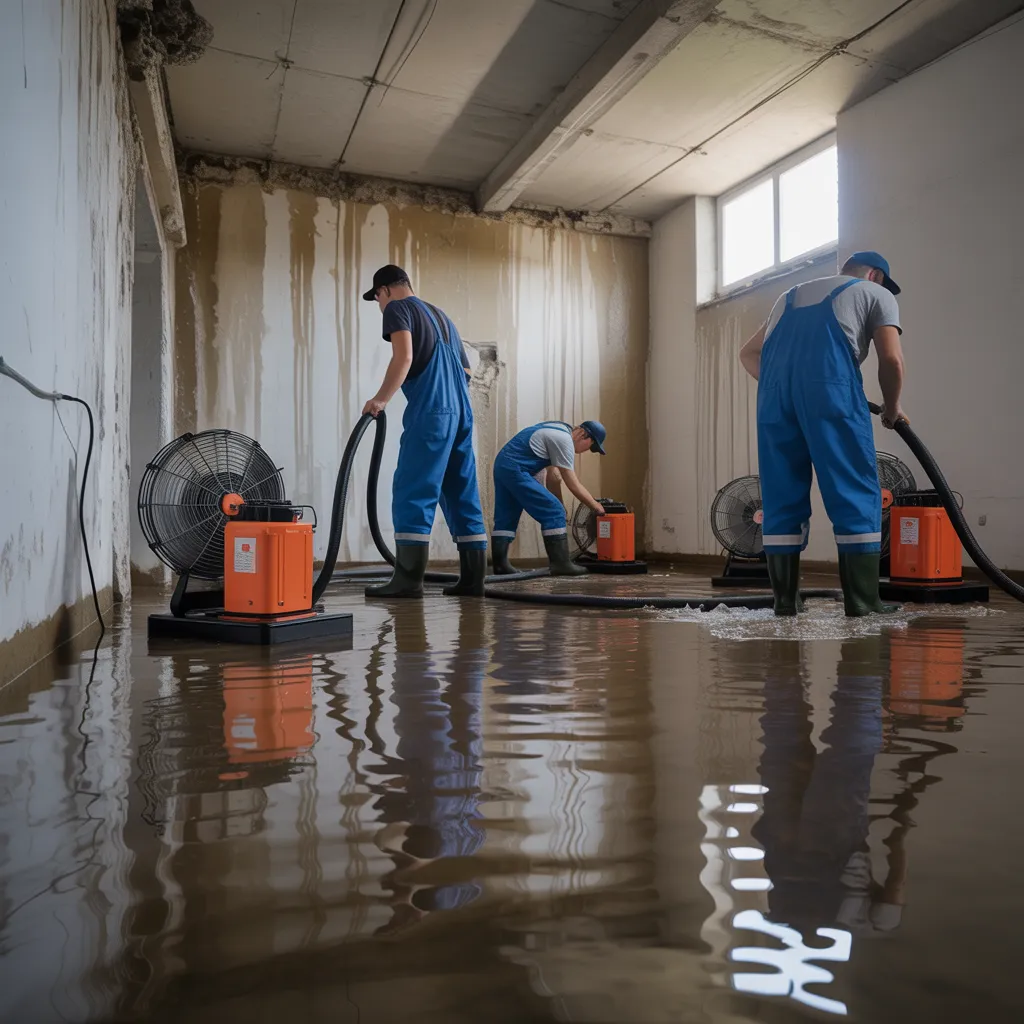
When a property experiences water damage, carrying out an initial assessment is vital for proper restoration. This process involves identifying the source of the water intrusion, gauging the severity of the damage, and pinpointing the areas impacted by the damage. A thorough assessment enables restoration professionals to categorize the water—whether it is clean, gray, or black—guiding appropriate response measures.
Moreover, the evaluation assists in detecting potential risks, such as structural instability or mold growth, which can complicate the restoration process. By cataloging the discoveries, specialists can formulate a personalized restoration strategy that prioritizes the most important areas first. This methodical approach not only reduces further damage but also optimizes resource utilization. In the end, an accurate initial assessment establishes the groundwork for a successful rehabilitation plan, guaranteeing that every required measure is implemented to restore the property to its pre-damage condition efficiently and effectively.
Why Timely Water Extraction Techniques Are Essential
Swift water extraction is crucial in mitigating the effects of water damage. A prompt response can significantly minimize the risk of mold growth and minimize structural damage to structures. Effective techniques guarantee that the restoration process begins swiftly, maintaining both structural integrity and safety.
Swift Action Is Critical
Although water damage can occur suddenly and without warning, the importance of a prompt response cannot be emphasized enough. Rapid action is essential to mitigate further damage and reduce restoration costs. When water penetrates a building, it can undermine the stability of walls, floors, and electrical components in just hours. Timely extraction techniques, such as using high-powered pumps and industrial-grade dehumidifiers, are vital in minimizing the extent of the damage. Skilled professionals in water damage restoration are aware of the vital need for quick response, since delays can cause increasingly severe complications, including structural compromise. A rapid response not only protects the property but also improves the success of follow-up restoration work, enabling a faster recovery for those impacted.
Avoiding Mold Development
Fast water extraction processes are essential in preventing mold growth in the wake of water damage. As water seeps into a find now property, it establishes perfect conditions for mold spores to flourish, particularly in heated and damp settings. Timely removal of excess water lowers overall moisture content, thereby hindering mold proliferation. Experts employ advanced tools, such as industrial pumps and drying equipment, to expedite this process, ensuring that impacted spaces are thoroughly dried. Additionally, careful examination of concealed areas, like interior wall cavities and subfloor areas, assists in locating hidden dampness that could cause significant mold growth. By focusing on swift water removal and drying, property owners can greatly reduce the risk of mold, ultimately protecting both occupant health and structural integrity.
Minimizing Structural Damage
In the event of water damage, the immediate extraction of water becomes vital to limiting damage to the structure. Delays in this process can lead to severe consequences, including deteriorating foundations, warped floors, and compromised walls. Moisture seeps into materials at a fast rate, and extended contact with moisture heightens the risk of damage. Utilizing expert water extraction methods ensures efficient water removal, reducing harm to the property's structure and belongings. Specialized tools, including pumps and dehumidifiers, improve the extraction process, allowing for rapid drying. Additionally, timely intervention helps prevent secondary issues, such as mold growth, which can complicate restoration efforts. As a result, prompt water extraction is key to safeguarding the condition of the damaged structure.
What Follows Water Extraction: Efficient Drying Solutions?
Once water extraction is complete, the next essential step in the restoration process focuses on implementing comprehensive drying solutions. This stage is crucial to avoiding additional damage and ensuring a successful restoration. Skilled technicians employ commercial-grade dehumidifiers and air movers to lower moisture levels in the impacted areas. Dehumidifiers draw out excess moisture from the air, while air movers enhance airflow to speed up the drying process.
Assessing moisture levels is important throughout this phase. Restoration experts commonly employ moisture-detecting devices to confirm every material, including walls and floors, reach acceptable dryness levels. Subject to the extent of the water intrusion, professional-grade equipment like infrared imaging devices may be utilized to locate concealed moisture pockets.
Additionally, proper ventilation is imperative; employing exhaust fans alongside open windows can optimize air movement. In general, a methodical approach to drying guarantees that the structure remains intact and lowers the potential for secondary concerns such as the growth of mold.
The Role of Cleaning and Sanitization in Preventing Mold Growth After Water Damage
Proper cleaning and sanitization serve a critical function in inhibiting mold proliferation in the wake of water damage. When moisture penetrates an area, it establishes a humid setting that encourages mold growth. To mitigate this risk, complete cleaning is necessary following water extraction and drying efforts. This involves eliminating affected materials and surfaces, in addition to utilizing professional cleaning products that suppress mold formation.
Sanitization additionally supports this process by removing lingering moisture and bacteria, which can promote the growth of mold. Proper ventilation during the drying process is vital, as trapped air can establish an environment conducive to mold growth. Professionals often employ dehumidifiers and air movers to expedite drying and reduce humidity levels.
What to Anticipate When Addressing Structural Damage
Tackling structural damage is an essential part of water damage restoration following the cleaning and sanitization process. Homeowners can expect a thorough assessment of affected areas, encompassing walls, floors, and ceilings, to assess the full scope of the damage. Experts will frequently employ advanced equipment to identify concealed moisture and assess the condition of structural components.
Once the assessment is complete, the restoration specialists will provide a detailed course of action, which may include restoring framing, drywall, and flooring. Depending on the extent of the damage, it could be essential to completely replace the compromised materials. The duration of the repair process can change according to the degree of the damage sustained and the materials involved.
During the entire process clear communication is essential, as technicians will notify homeowners about progress and any additional findings. In the end, the aim is to return the structure to its prior state, providing safety and long-term stability.
How to Keep Future Water Damage at Bay
Avoiding future water damage demands consistent upkeep and preventative action. Property owners should regularly examine their home for signs of leaks, paying close attention to roofs, gutters, and plumbing fixtures. Resolving minor concerns quickly can help avoid more significant damage later.
Setting up sump pump systems and upkeeping water drainage systems can work to channel surplus water away from the property's foundation. Furthermore, ensuring proper grading around the residence will minimize moisture buildup near the house.
Consistently cleaning gutters and downspouts is critical for proper water management. Additionally, incorporating moisture-resistant materials for crawl spaces and basements can lower the potential for water damage.
Ultimately, tracking indoor humidity levels can help prevent mold growth, which often accompanies water damage. By applying these measures, individuals can significantly reduce the risk of future water-related issues, safeguarding their property and financial investment long-term.
Selecting the Best Water Damage Restoration Service for Your Requirements
How can homeowners guarantee they select the most suitable water damage restoration service? To begin, they should look into local companies, paying close attention to their reputation and customer feedback. A company that has earned favorable reviews and a proven history is better positioned to provide reliable results. It is also important for homeowners to verify that the company holds the necessary licenses and insurance, which ensures compliance with industry regulations and shields them from potential liability.
Experience serves as a vital consideration; businesses that specialize in different categories of water damage tend to be more prepared for uncommon circumstances. Furthermore, residents ought to seek information regarding the recovery process, covering the machinery utilized and anticipated completion schedules.
Finally , securing a number of quotes can assist homeowners in understand pricing and services offered , enabling thorough comparisons . By pursuing these strategies , homeowners are able to make a more assured decision , guaranteeing they select a restoration service that effectively addresses their unique needs .
Commonly Asked Questions
How Much Time Does the Complete Water Damage Restoration Process Require?
The complete water damage restoration procedure typically takes anywhere from three to five days, subject to the degree of damage and the particular circumstances. Every case is different, influencing the overall duration of restoration efforts.
Will My Insurance Plan Cover Water Damage Restoration?
Coverage for water damage restoration services differs depending on the policy. In most cases, standard homeowners' insurance policies may cover certain damages, though exclusions are common. It's essential for individuals to review their policy and consult their insurer for specifics.
What Are the Indicators of Concealed Water Damage?
Common signs of hidden water damage involve musty odors, unexplained mold growth, water stains on walls or ceilings, warped floors, and rising humidity levels. Early detection is essential to prevent further structural damage and health risks.
Can I Handle Water Damage Restoration Myself?
While certain minor water damage repairs can be managed on your own, major problems typically demand the skills of a professional. Attempting repairs yourself can miss hidden issues, which could result in additional damage and higher expenses over time.
What Should I Do Immediately After a Water Leak?
As soon as a water leak occurs, one should turn off the water source, disconnect all electrical equipment, and clear away the excess water. After that, completely drying the affected area and evaluating damage are essential for preventing further issues.